In the digital age, site group servers have become an important part of many corporate and personal website optimization strategies. Especially in the United States, choosing the right site group server can not only improve the access speed of the website, but also enhance the friendliness of search engines. This article will explore the key factors to consider when choosing a U.S. site group server to help you make informed decisions.
When choosing a US site group server, the performance of the server is one of the top considerations. Performance mainly includes processor speed, memory size and storage type. High-performance servers can handle more concurrent requests, improve website loading speed, and thus improve user experience and search ranking. In addition, choosing a server with SSD storage can significantly improve data reading and writing speed, thereby speeding up website response time.
Network bandwidth is one of the important factors affecting the performance of the server in the site group. The greater the bandwidth, the more traffic the server can handle at the same time, which is especially important for websites with high visits. Choosing the right bandwidth can ensure that your website remains stable during peak traffic. At the same time, it is also important to understand the provider's network quality and latency, which directly affects the user's access experience.
The location of the data center of the site group server has a direct impact on the access speed of the website. Choosing a data center located in the United States can effectively reduce the physical distance between users and servers, thereby reducing latency and improving access speed. Additionally, if your primary user base is located in a specific area, choosing a data center close to that area will further enhance the user experience.
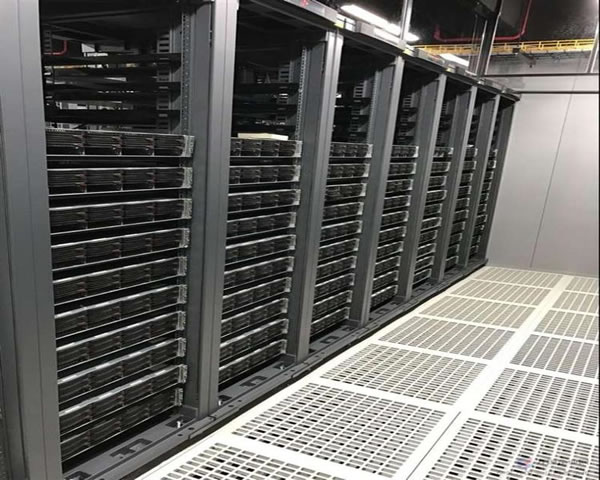
Data security is an important factor that cannot be ignored when choosing a server. The US site group server should have complete security protection measures, including firewall, DDoS attack protection and data encryption. Ensuring the security of the server not only protects your data and user information, but also increases search engines' trust in your website, thereby promoting SEO optimization.
When choosing a reliable site server provider, its technical support and after-sales service are crucial. Whether in server configuration, troubleshooting, or daily maintenance, quick response and professional technical support can help you solve problems in a timely manner and reduce website downtime. It is recommended to choose a service provider that provides 24/7 online support to ensure that you can get help quickly when problems arise.
As your business grows, your website traffic may continue to increase, so it is very important to choose a site cluster server with good scalability. Ensuring that servers can be upgraded quickly according to demand, including adding more storage space, bandwidth and computing power, can help you maintain your website's performance and stability as your business grows.
Although price is not the only factor in choosing a site group server, a reasonable budget is still necessary. Different providers will price based on factors such as service performance, bandwidth, and security. When choosing, it is recommended to consider the cost-effectiveness of each service, rather than just choosing the lowest priced option. Make sure that the server you choose meets your needs and delivers the best performance within your budget.
When choosing a U.S. site server, factors such as performance, network bandwidth, data center location, security, technical support, scalability, and price are all crucial. It is recommended that you fully understand the service content of each provider and its advantages and disadvantages before making a choice, and conduct a comprehensive comparison and analysis. By taking into account the above factors, you will be able to choose the site group server that best suits your website needs, thereby achieving better SEO optimization results and improving the overall performance of the website.
- Latest articles
- Practical Guide And Advice On Choosing The Most Stable PUBG Server In South Korea
- How Does Cross-border Business Use Cloud Servers? Singapore Servers Improve Access Experience
- How To Enter The Vietnam Server Now? A List Of Graphic Steps And Common Misunderstandings That Even Beginners Can Understand.
- How Does An Enterprise Choose A Hosting Plan That Supports Multiple IPs For US Site Group Servers?
- Looking At The Stability And Compliance Requirements Of Cross-border Transactions From The Futian Hong Kong Station Group Server
- Evaluate The Compliance Certificate And Protection Capabilities Of US Cloud Rental Servers From A Security Perspective
- Purchasing Advice Hong Kong Vps Cloud Server 8 Core How To Choose The Appropriate Package According To Business Load
- Comparative Analysis Of Computer Room Distribution And Network Interconnection Performance Of Server Companies In Taiwan
- Cost Control Billing Model And Money-saving Tips For Taiwan’s Native IP Server Cloud Server
- Cost And Operation And Maintenance Perspective Differences Between Hong Kong Cn2 And BGP Comparison Of Procurement And Maintenance Costs
- Popular tags
-

Professional Analysis Of Which Business Scenarios The Stable Machine Us High-defense Server Is Suitable For
professionally analyzes the business scenarios for adapting stable machines to us high-defense servers, covering e-commerce, games, live broadcasts, apis and enterprise-level services, and provides practical reference from the perspective of protection capabilities, network latency and deployment suggestions. -

Differences Between Servers In The United States, Hong Kong And Taiwan And Suggestions For Selection
this article analyzes the differences between servers in the united states, hong kong and taiwan in detail, and provides selection suggestions to help users find the most suitable server solution. -

Security Control List Helps Enterprises Maintain Access Control For Servers Hosted In The United States
This article introduces how the security control checklist can help enterprises maintain access control for servers hosted in the United States, including practical points such as identity management, network protection, log auditing, patching strategies, and emergency response, to facilitate compliance and risk reduction.